
Roosevelt's Stewardship
In TR's autobiography he, for the first time, outlined his philosophy of Presidential Stewardship. He believed the people came first over the Constitution. He was concerned in social justice and went on to promote a “Square Deal.”
TR believed the president had the responsibility to do whatever he could to serve the people as long as it wasn't unconstitutional or broke the law. Gifford Pinchot was on every one of the commissions. Pinchot would later go on to write TR's “New Nationalism” speech that became his 1912 "Progressive Platform."
TR frequently governed by Presidential Commissions his critics claimed were designed to sidestep the Constitution and the intention of Congress.
The most famous was the “The Midnight Reserves.” In 1907 Congress recognized the federal government was beginning to own too much property west of the Mississippi. In states like Nevada the government was beginning to own more property than the state. States were at risk of losing their sovereign jurisdiction.
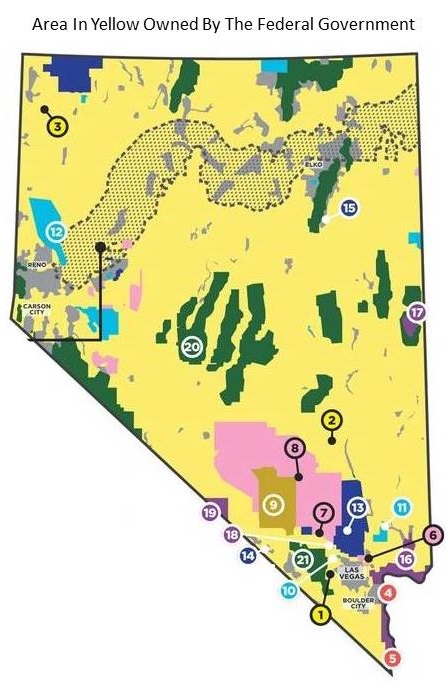
Wen congress attached an appropriations bill to legislation declaring there should be no more forest reserves established out west. The night before TR was to sign the legislation, he seized 16 million acres of Timberland and turned it into a reserve. His critics were outraged and claimed that was Roosevelt's most defiant and brazen act of his administration.
Don't Let a Crisis Go to Waste
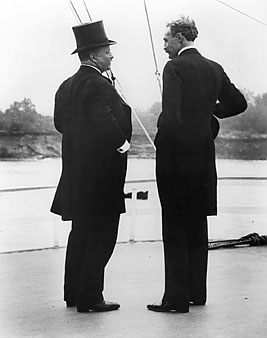
Don't let a crisis go to waste is a term that's been recently bandied about. It basically started with TR. In 1902 following the coal strike where TR violates the Constitution by threatening to take over private property by military force, he warns you can’t turn every problem into a crisis. Not every issue requires the government to fundamentally change to step up and meet every upcoming challenge as a crisis.
However, by 1907 he changes his mind. He talks crisis warning of famines in coal, timber, iron and gas that could cripple the country. In 1908 he assembled a Governor’s Conference in Washington to focus on the proper use of the country’s natural resources. His opening remarks were entitled, "Conservation as a National Duty." Andrew Carnegie was among the speakers. Gifford Pinchot emphasized both the nation's need to exploit renewable resources and the differing situations of the various states, requiring different plans.
The next year Roosevelt and Pinchot established the National Conservation Commission and the First National Conservation Congress. The commission was made up of state representatives and Federal agencies. The congress was an assembly of private conservation interests led by Pinchot.
TR said war and convervation were the two issues he could rely on to create a groundswell of Americian public approval.
Executive Orders
In addition to Presidental Commission TR also used 1,081 Executive Orders. In 1904 Santo Domingo was facing financial collaspse. Europe wanted to take over their ports. TR steps in citing the Monroe Doctrine and his newly added Corrollary and takes over Santo Domingo's customs turning things around and making the country solvent. While he signed a treaty as president he signed it without congress's approval. Congress fails to ratify the treaty and TR's initiatives are completely unfunded.
Waiting for congressional approval TR keeps the treaty in place by Executive Order. Two years later congress finally ratified the agreement.
While TR would not back away from Executive ordrs he ultimately understood the executive branch needed to wokr with the legislative branch. Without financial support and without turning initatives into law executive orders die when a new president is elected. In the last couple of weeks of his presidentcy TR established a number of bird sanctuaries that ultimately failed because they lacked congressional approval and financing.
Change in Property Rights.
In his autobiography TR outlines a new test of property rights that was unimaged by the founders. It was a position that hurt him in 1912 when he only won 6 out of 48 states. To Roosevelt, it was not enough that property be acquired legally. It also had to benefit the community and render service to the nation as a whole. TR turend rights into responsibilities.
Problem was Roosevelt studied poverty while many of his voters lived poverty.