
Sagamore Hill - The Farm
In December 1880, shortly after the wedding, TR buys 60 acres of land from Thomas Youngs with the intention of building a Cove Neck estate on a hilltop overlooking Oyster Bay named Leeholm for his wife Alice.
In August 1883 TR purchased another 95 acres from Youngs for $20,000 bringing the total to 155 acres. He sold 28 acres to his sister Anna and 32 acres to his Aunt Anna Bullock Gracie (Mrs. James K. Gracie - Gracewood) keeping 95 acres.
After selling 60 acres to his sister and aunt TR may have recovered his $10,000 down payment leaving the property cost at the $20,000 mortgage. ($20,000 equals $700,000 today).
The National Park Service says it was a 20 year mortgage. However, 20 year mortgages didn’t exist before 1934. They were created during the Great Depression by the Federal Housing Administration (FHA) as part of the New Deal to help stabilize the housing market
Mortgages in 1883 were 3 to 6, sometimes 10 years in length. Borrowers paid interest up front and then made a balloon payment. Loans were frequently renegotiated during the term. There’s no record who held the mortgage. It could have been Roosevelt and Son, or Lee and Higginson.
Based on current listings, the average price per acre
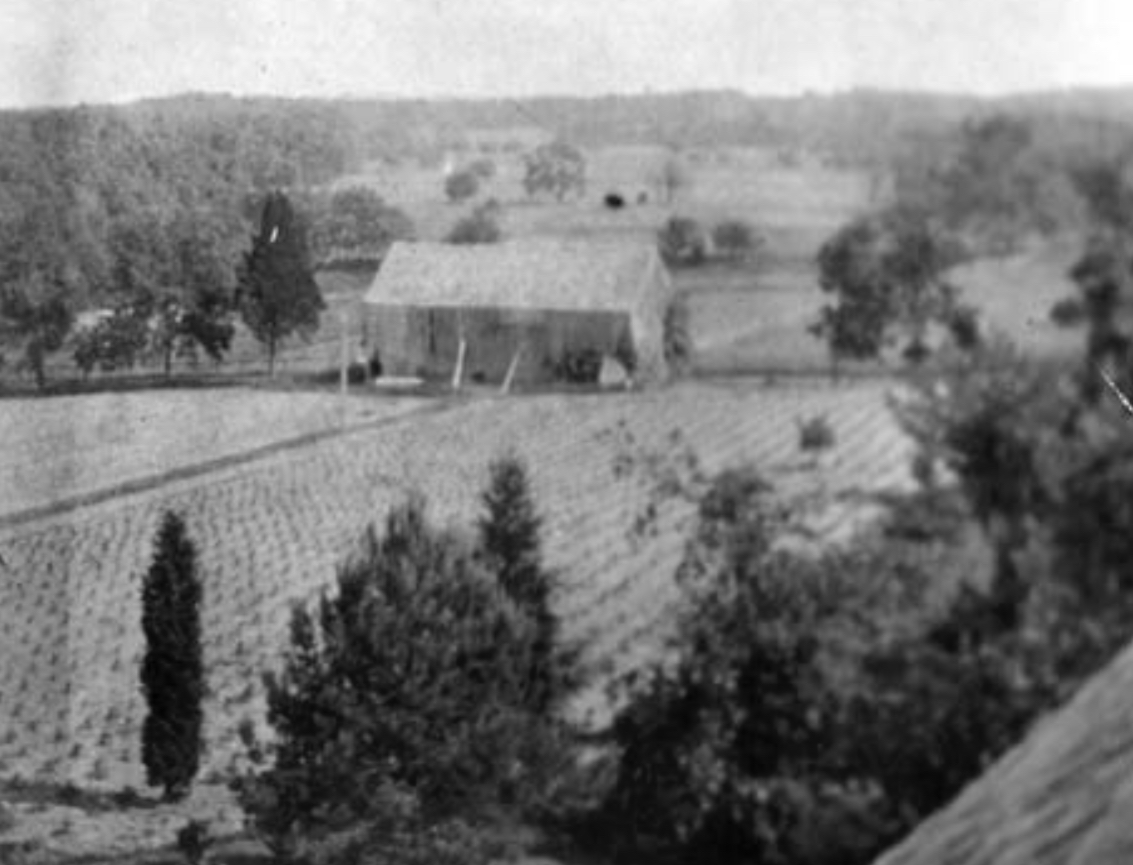
The property was a windswept hillside used to grow wheat. The only building on the hill was a 100 year old Revolutionary War barn primarily used to store grain and hay. It was a great place for the kids to play hide and seek.
The only address of note on the peninsula was Laurelton Hall, a 600 acre 86 room mansion facing Cold Spring Harbor owned by Charles Louis Tiffany.
In 1894 while a Civil Service Commission living in Washington, to help make ends meet during the Panic of 1893 he sold 6 acres behind the barn to his uncle James Roosevelt. That left him with about 89 acres.
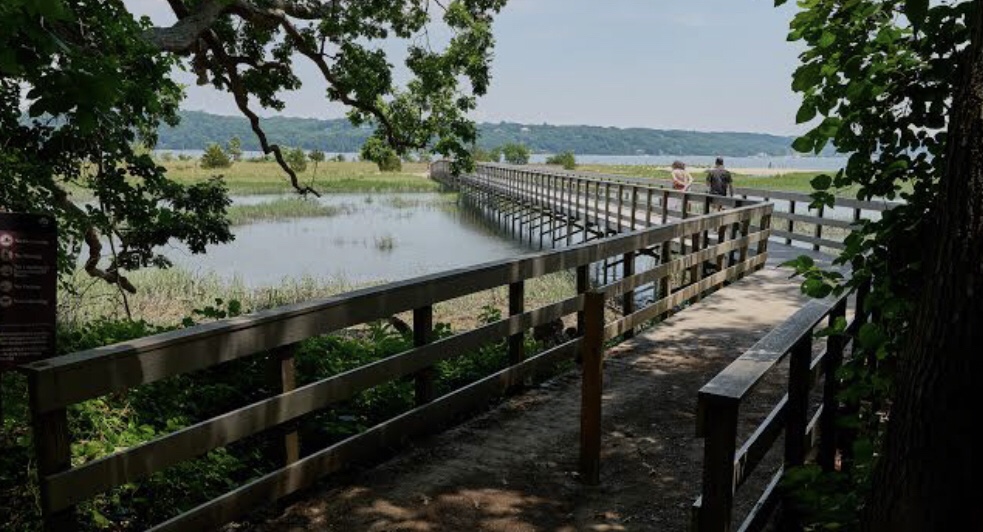
According to the 2007 NPS Historic Resource Study in 1900 TR purchased the land along Eel Creek that included a meadow, salt marsh and a sand pebble beach that today is being used by the National Park Service as a nature trail down to a beach facing Cold Spring Harbor. It’s a mile and a half round trip and takes about 30 minutes. During TR's time there was a footbridge there that was primarily part of the waterfront trails, not a main driveway to the house.
TR gave several acres to his cousin Emlen to permit a right of way for a road that left him with 87 acres. That remained the size of the estate for the balance of his life. Edith sold 4 acres to Ted Jr. to build his 19 room home “Old Orchard” finished in 1938.
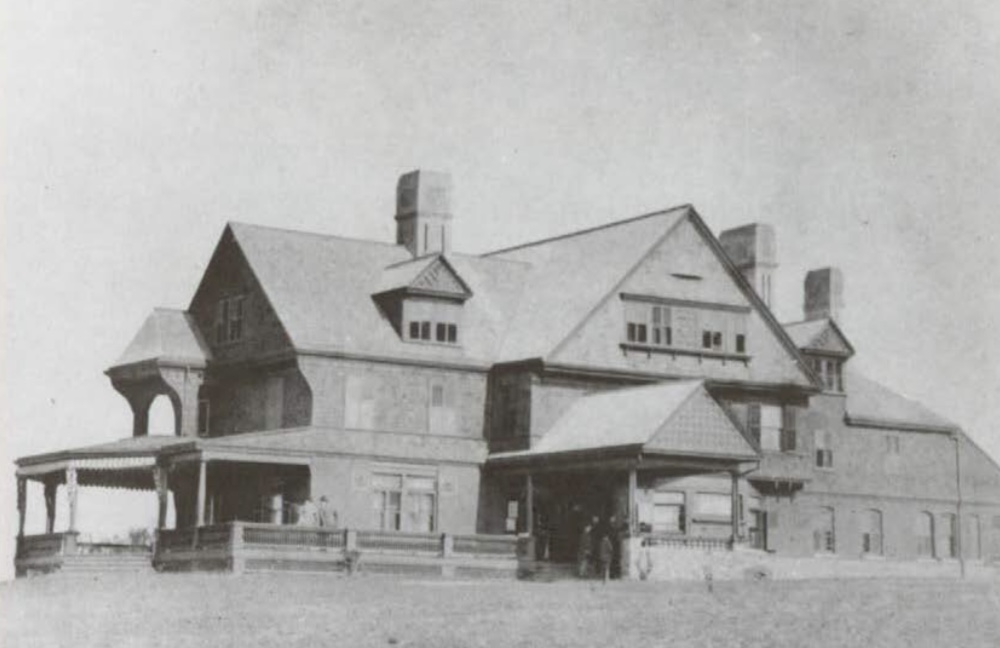
After Alice died in 1884 and he began dating Edith he changed the name to Sagamore Hill for an old Indian chief named Sagamore Mohannis who signed away the rights to the land 250 years earlier.
On March 1, two weeks after the death of his wife and mother, Roosevelt signed the contract with the architects Lamb and Rich who designed the house. In 1893 before TR become famous the house was featured in the American Architecture and Building News.
Six months earlier in October 1883 TR contracted John A Wood & Son, carpenters in Lawrence to build Sagamore Hill to include the Ice house and Windmill for $16,975. ($35,975 with North Room)
TR also employed Lamb and Rich to design a Lodge and Stable, or what Ethel called the Farmhouse and Stable. That structure was also built by Wood and Son for $5,160.
The 1884 Sagamore Hill cost was $20,000 for the property, $22,135 for the house and stable totaling $42,135. ($1,400,000 Today).
It cost $19,000 to add the North Room in 1905. It was designed by Christopher Grant LaFarge. The North Room brought the total to $61,135.
If you add the estimated $20,000 pricetag for the land and outer farm buildings TR's total cost was somewhere between $65,000 to $70,000, or the equivalent of about $2,500,000 today.
It was owned by the Roosevelt’s for 70 years before being sold to the Theodore Roosevelt Association by Ethel for $175,000 in 1950. ($2,350,000 Today). The house was opened to the public June 14, 1953.
The TRA gifted Sagamore Hill along with a $500,000 endowment to the American people to help preserve Sagamore Hill. The National Park Service authorized the transfer on July 25, 1962 and the park was established July 8, 1963.
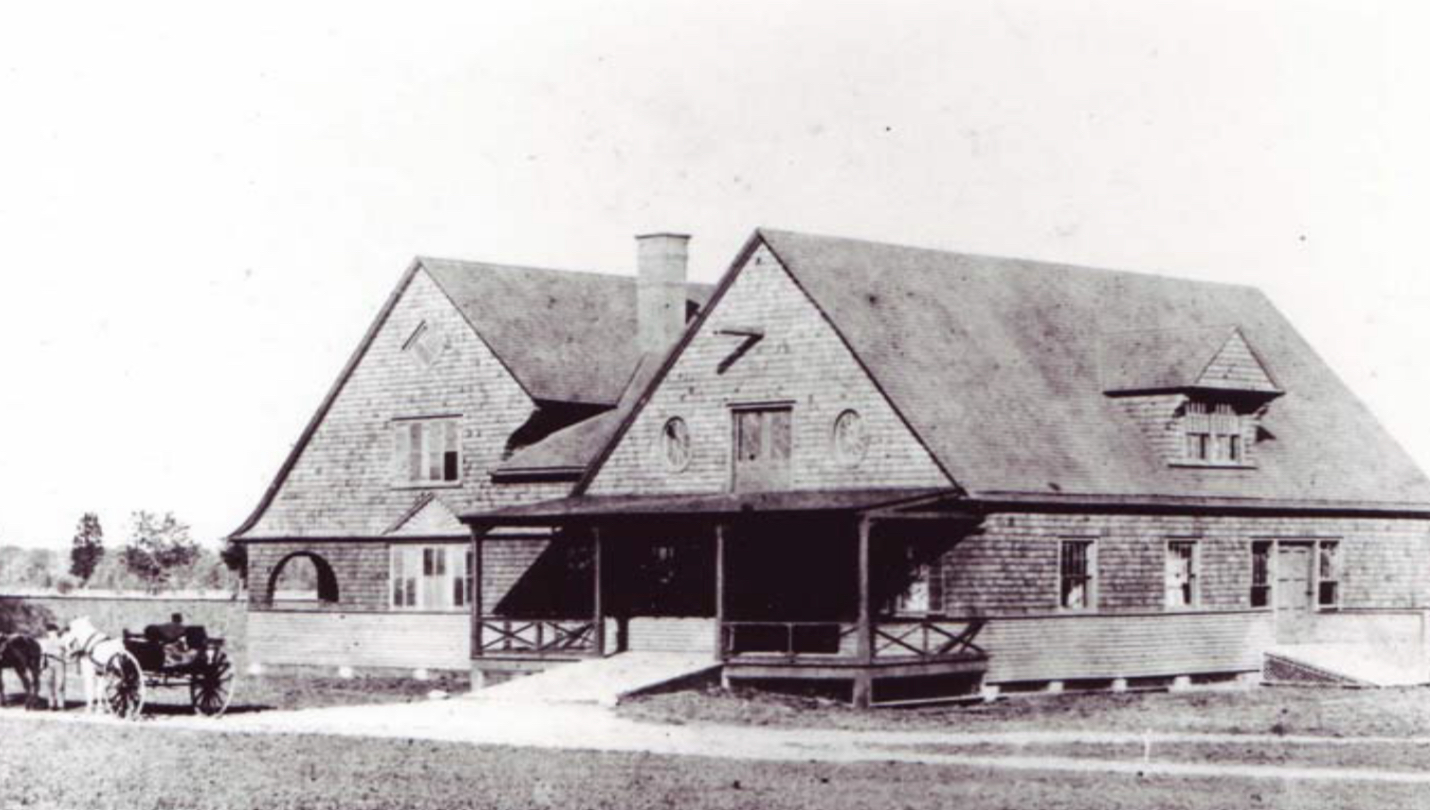
The Lodge/Farmhouse was part of the same building but separate without a door connecting the two. The lodge was home to superintendents Robert Gillespie from 1914 to 1943 and Noah Seaman who'd be at Sagamore Hill from the beginning until his death in 1911. Noah Seaman boosted Sagamore Hill grew the best potatoes in the area.
In the basement of the stable were 6 cows and two farm horses including “Kitty Mare” their favorite plow horse. The saddle horses were taken up to the second floor by a ramp and the third floor was used for storage. The dogs were kept in the stable.
The field help came from town as needed. The turnover was high. Many came by day. Those who boarded generally stayed a year, some for several years.
In a December 1906 issue of Farm Journal author Walter E. Andrew’s visited Sagamore Hill in October and wrote. There was no gate, no guardian fences just a simple, plain farm driveway winding up a wooded slope. About 47 acres were cultivated including pasture with the rest woodland. They used stable manure for fertilizer and grew their own hay and straw for their animals. According to periodic inventories they kept about 5 horses, 6 cows, 8 pigs, some turkeys and a flock of about 75 Barred Plymouth Rock Chickens and 100 small chicks. On average mature hens can lay an egg a day, generally 6 to 8 eggs per week. The working ratio is 10 hens to 1 rooster. Roosters not only crow at day break, they crow throughout the day. They could crow as early as 2:00 in the morning. The farm fruits included strawberries, grapes, raspberries, currants, gooseberries, peaches, pears and apples.
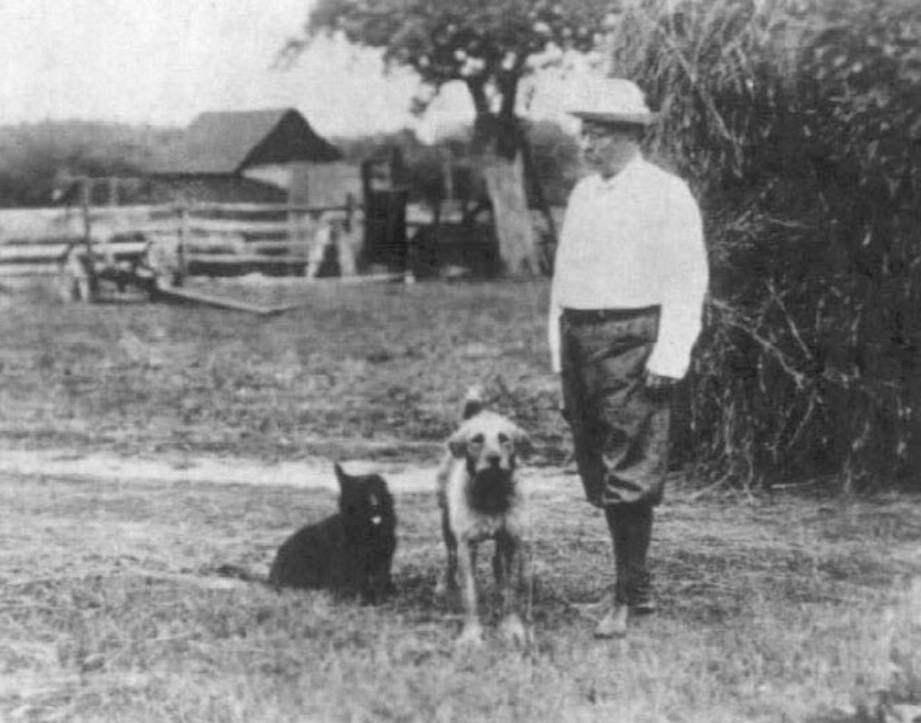
James Amos remembered there were times during hay season TR would be in the field from sunrise to sunset with the crew, drinking from the same bucket and dipper and making sure Noah Seaman put him on the payroll so he could get paid a full day’s wage.
Some in the press said TR only did it as a photo opportunity for the press. In a letter to Alice he specifically refuted the presses accusation. In a 1910 article by Henry James Forman he wrote TR enjoyed pitching hay regardless of whether anyone saw him or not. He quoted TR who told him, “We were unable to to get an extra hired man this year, so I had to help bring in the hay.” TR was in the field under the hot sun for two days until they brought in the last load.
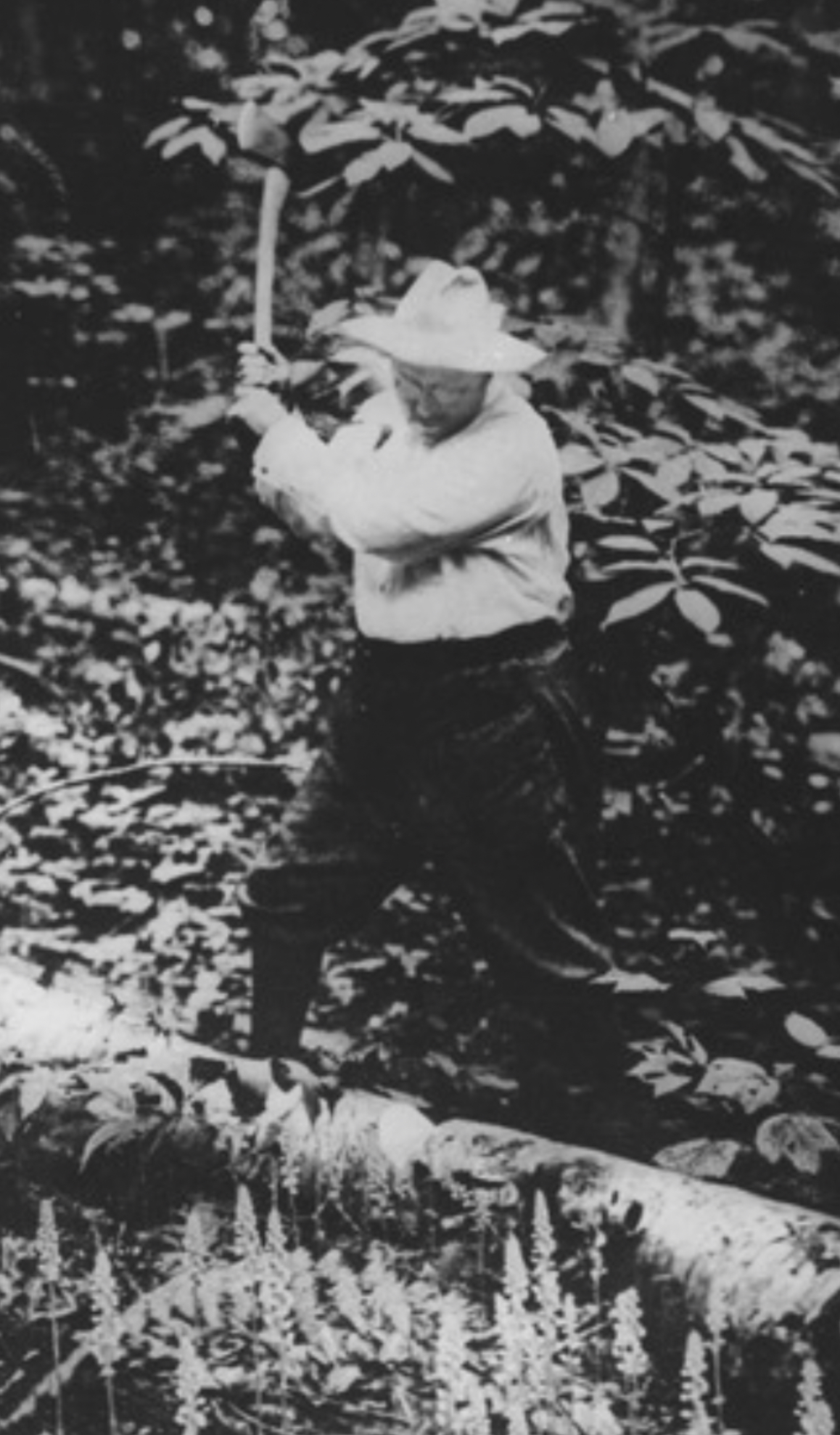
The trees at Sagamore Hill included oak, birch, chestnut, locust, hickory and an avenue of maples planted by TR. Nearly every day TR spent some of his time chopping them down. His military aide Archie Butt wrote, “I think he cuts down trees merely for the pleasure of hearing them fall.” Butt also remembered TR cut down telephone poles thinking they were trees. He went on to blame Edith for not having marked them as telephone poles and not trees. He left 7 axes at the front door one axe for each day. It was Noah Seaman’s job to resharpened each throughout the week. Most of the firewood used at Sagamore Hill was chopped by TR.
Pitching hay and cutting down trees was often the result of Edith cleverly pushing TR into exercise. When she thought he needed to get out she’d often conspire with Noah Seaman to tell TR they were short handed and he needed to spend the day helping with the chores.
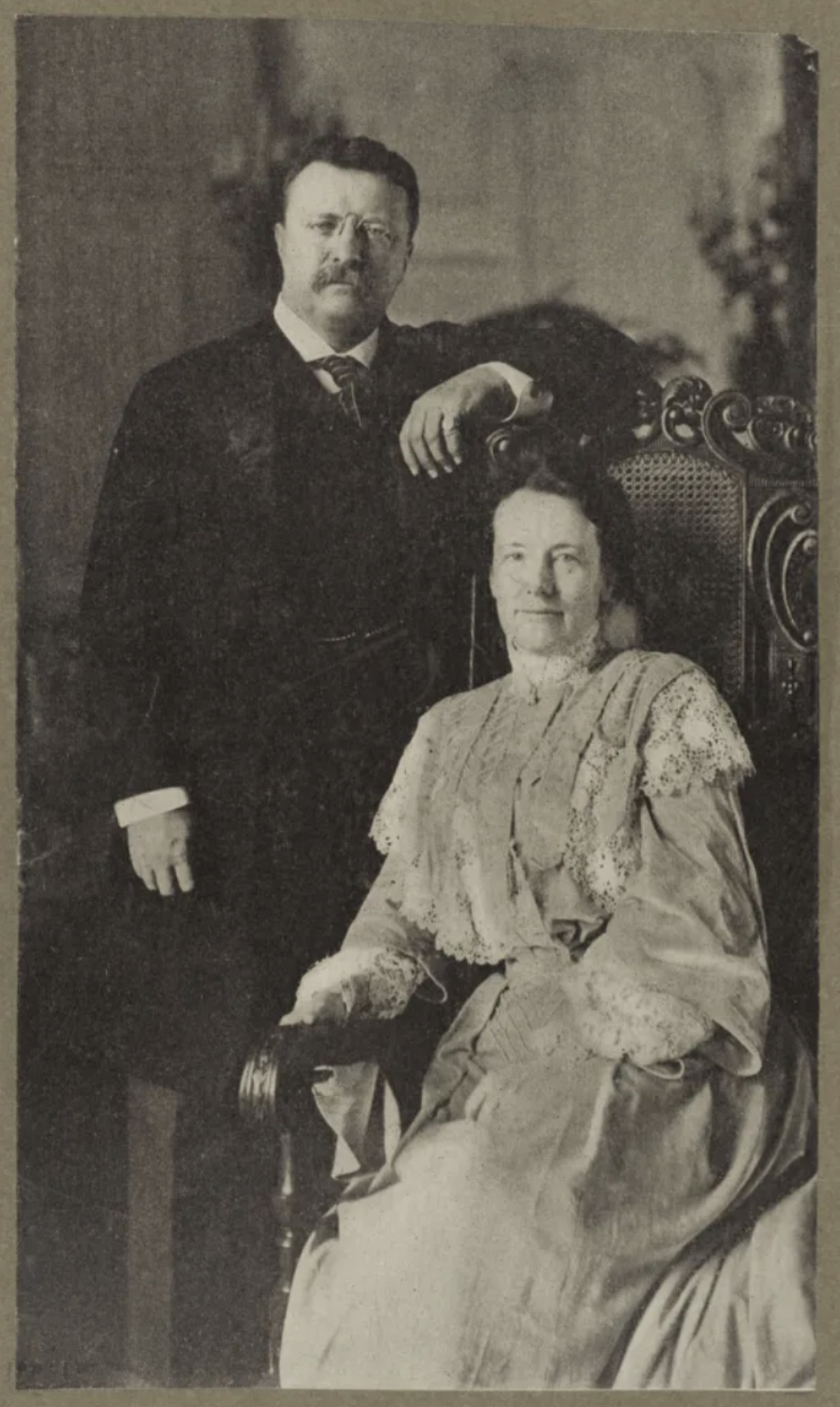
Edith ran Sagamore Hill and it wasn’t just keeping the books. She kept track of how many eggs the hens were laying and whether or not Bessie the cow’s milk was drying up. Sagamore Hill was built for his first wife Alice, but it was really Edith’s gift to TR. She made Sagamore Hill possible. It was Edith who managed the home, the gardens and the farm.
There were times life could be hectic at Sagamore Hill. In 1900 Archie came down with chicken pox and Quentin got an ear infection then stuck a moth ball up his nose. TR went on a 7 week hunting trip to Colorado and developed bronchitis. After horsing around visiting friends Alice came home with a couple of loose front teeth and an abscess. Edith rushed her to Roosevelt Hospital. They wanted to remove the teeth, but Edith insisted they stay. She didn’t want Alice to make her debut with dentures.
Sagamore Hill was not a commercial operation. It was designed to provide a wholesome environment for the kids to grow up. When Farm and Fireside magazine was going to do an article on how a small family farm could be self-sufficient they wanted to use Sagamore Hill as an example. TR wrote back telling them they were barking up the wrong tree. He was not a farmer and had other interests and at best they could only make “the place partially self-supporting.” Sagamore Hill operated at a loss. It was rare when there was enough left over to sell some hay, corn, potatoes or apples.
After the barn collapsed in 1904 Edith cancelled plans to replace it with a stronger structure with a cement foundation. Edith wrote she planned to live the rest of her life at Sagamore Hill and as long as she had a stable she didn’t need such an elaborate barn signaling in TR’s post presidency there was going to be less emphasis on farming. Edith wrote, “we never expected to have a real farm.” The new barn wasn’t constructed until 1907. It was painted gray and green.
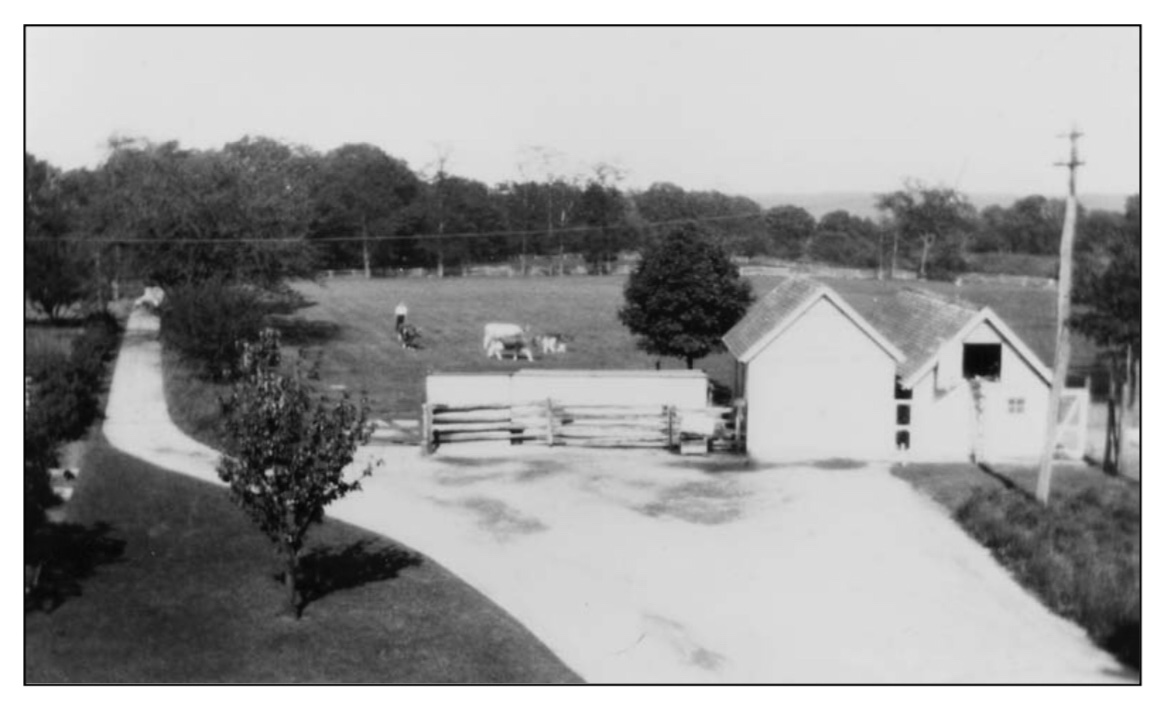
To visitors Sagamore Hill presented itself as a lively, active picture of a small American Family Farm. In his Autobiography TR wrote, “At Sagamore Hill we loved a great many things….birds and trees and books and all things beautiful and horses and rifles and children, hard work and the joy of life.”
After Quentin’s death TR fell into a deep depression. His interest in farm life nearly came to a holt. What followed was a steady unmistakable decline. He would die January 6th, 1919 not quite six months from the day Quentin. Sagamore Hill never seemed to come back to life.
After WWI Long Island farms began to vanish making room for new middle-class housing that was turning Nassau County into a working suburb of New York City. After WWI the population of Oyster Bay increased by 82%. During the Great Depression many of the large estates were sold at bargain prices. Louie Tiffany’s 86 room estate Laurelton Hall built for $2,000,000 in 1905 sold at auction in 1934 for $10,000 after his death. Oheka Castle the estate of Investment Banker Otto Kahn known as “The King of New York” built at a $4,000,000 estate in Cold Spring Harbor that sold for $100,000 after his death in 1949. It became a vacation site for New York City Sanitation Workers.
Edith's world was changing. Tranquility, the birthplace of her romance with TR, was torn down and sub-divided. Edith went from the saddle to a bench seat in a Buick sitting behind the wheel of a car without a radio, power brakes or power steering. There were no street lamps on unpaved country roads. She turned her focus in a new direction. She bought her family's ancestral home Mortlake Manor in Brooklyn, Connecticut and opened an “Approved Wayside Station” for travelers assuring motorists quality lodging, food and gas.
nd farm equipment.