Panic of 1893
At the root of the Panic of 1893 was the collapse of two of the country's largest employers, the Philadelphia and Reading Railroad and the National Cordage Company that made rope from hemp.
Hundreds of businesses had overextended themselves, borrowing money to expand their operations. When the financial crisis struck, banks and other investment firms began calling in loans, causing hundreds of business bankruptcies.
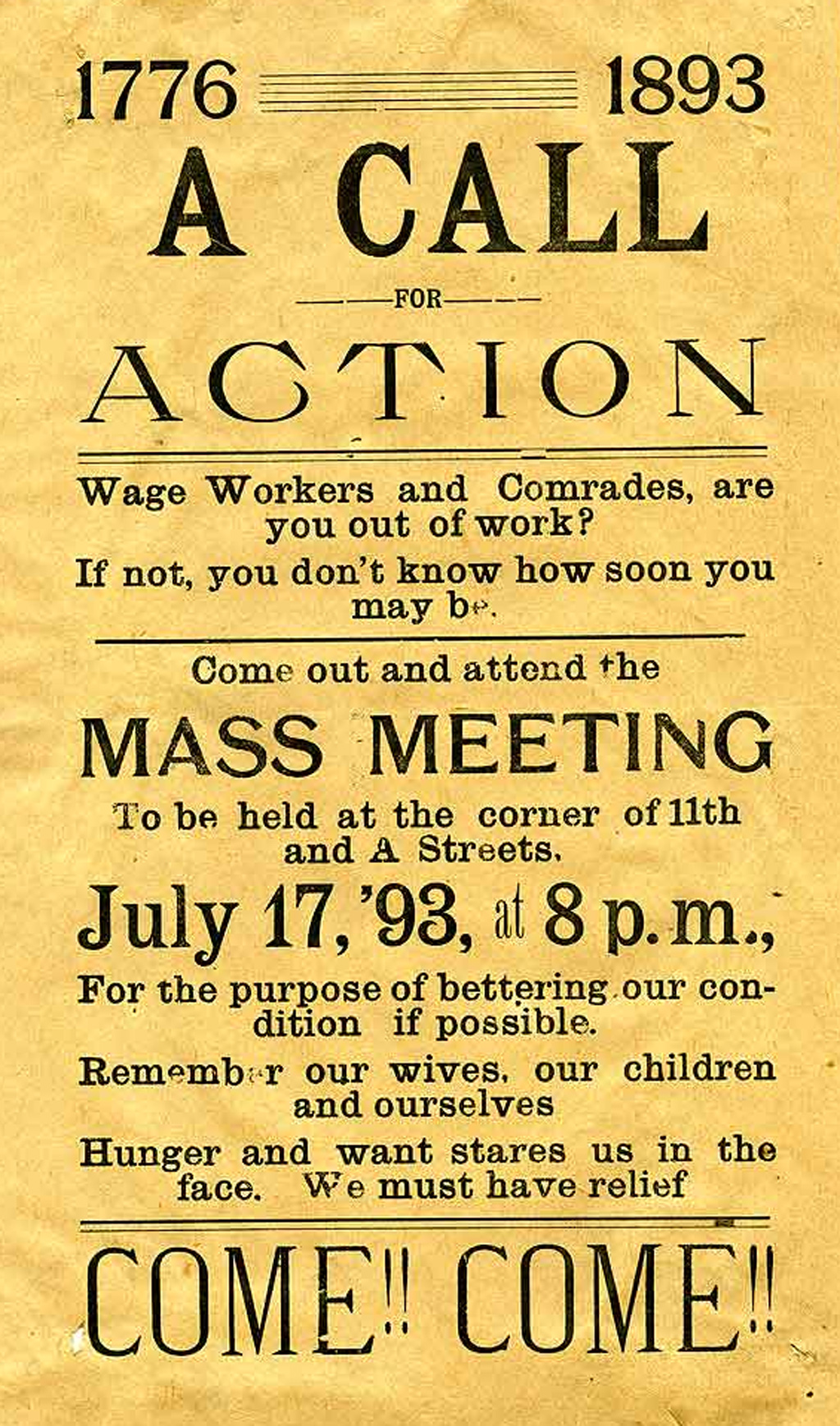
Unemployment rates soared to 20% to 25%. Homelessness skyrocketed, as workers were laid off and unable to pay their rent, or mortgages.
Fearful America was becoming economically unstable foreign investors wanted their money back. In New York City, day after day ships laden with gold were setting sail for Europe.
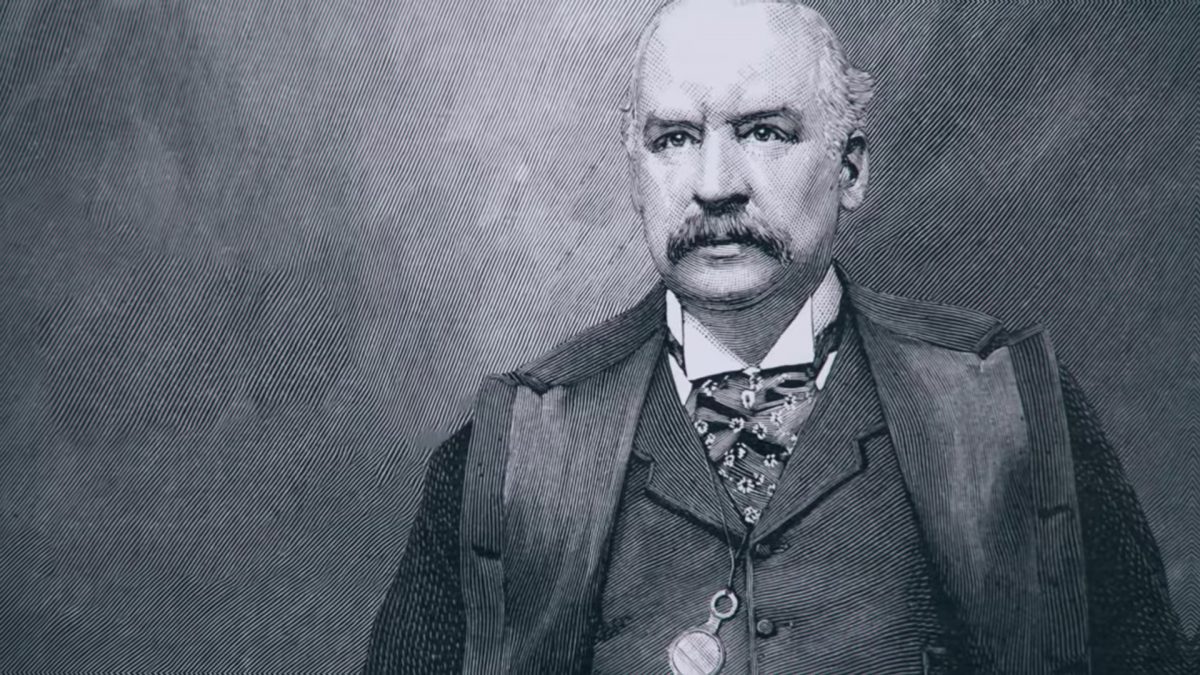
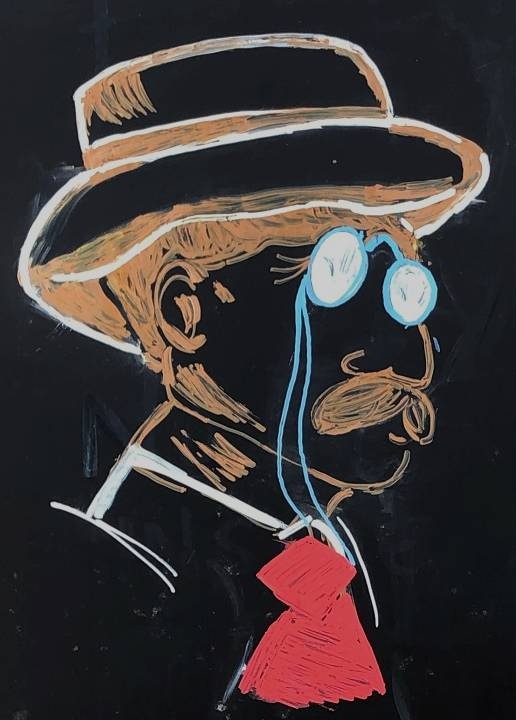
John Pierpont (JP) Morgan understood the crisis and traveled to Washington to meet with President Grover Cleveland. At first Cleveland refused to see Morgan fearing the public would view him as a puppet of big business. Cleveland didn’t have a clue, and Congress was sitting on its hands.
Facing a mounting crisis Cleveland finally agreed to meet Morgan at the White House. Morgan told the president he has industrial contacts throughout the world and across the country and they’re about to ask America to return their gold. He warns Cleveland if he does nothing the country will go bankrupt within a week.
Morgan had a plan to use an obscure Civil War act that permitted private donations of gold to be given to the federal government without the approval of Congress. Morgan tells Cleveland he has a syndicate of American and European investors who are willing to lend money to the U.S. to avoid a financial collapse.
Cleveland reluctantly accepted the plan and Morgan makes it work.
Soon the country’s gold reserves began to return to safe levels. In 1895 there wasn’t a Federal Reserve Bank. Morgan became the Federal Reserve. It was J. P. Morgan who financed the country and became the most powerful man in the United States.