
Theodore Roosevelt and Colonialism

Roosevelt saw Colonialism as a good thing in that it helped to modernize the less advantaged. He also understood the difficulty and risks of becoming involved with diverse societies with different customs, religion, races and history. He understood how that could make it impossible to succeed and could go to destroy the country offering the help.
At the time there was as much PULL for Imperialism as there was PUSH. When England planned to leave the poverty of Ghana the King of Ghana begged them to stay to help stop the tribal violence. They wanted Great Britain to bring peace, stability and prosperity to the country.
In Roger's and Hammerstein's 1951 musical “The King and I” you saw a perfect example of the success and desire for colonialism. The plot relates the experiences of a British schoolteacher who is hired as part of the King's drive to modernize his country.
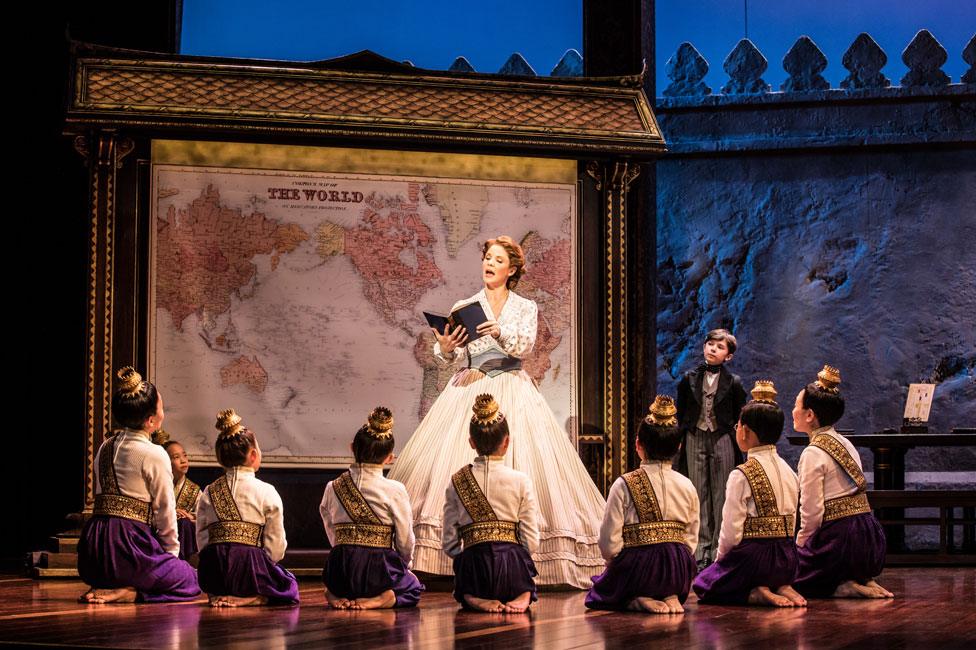
To many Colonialism meant opportunity. The question frequently asked was, “why wouldn’t a developing society want the advantages of learning from a successful country that has more rights especially for less advantaged marginalized communities. Who would object to better healthcare, technology, heating, housing, transportation, education and fairer more representative government?”
Many countries jumped at the opportunity. The people of the developing countries wanted help modernizing their country.
Roosevelt, in the spirit of Charles Dickens, believed a rich man can do something for a poor man and both can benefit.
Theodore Roosevelt also understood the problems inherent in Imperialism. When asked he said, “when it came to our hemisphere he had as much interest in colonizing a country as a boa constrictor had in eating a porcupine.”