
America Turn of the 20th Century
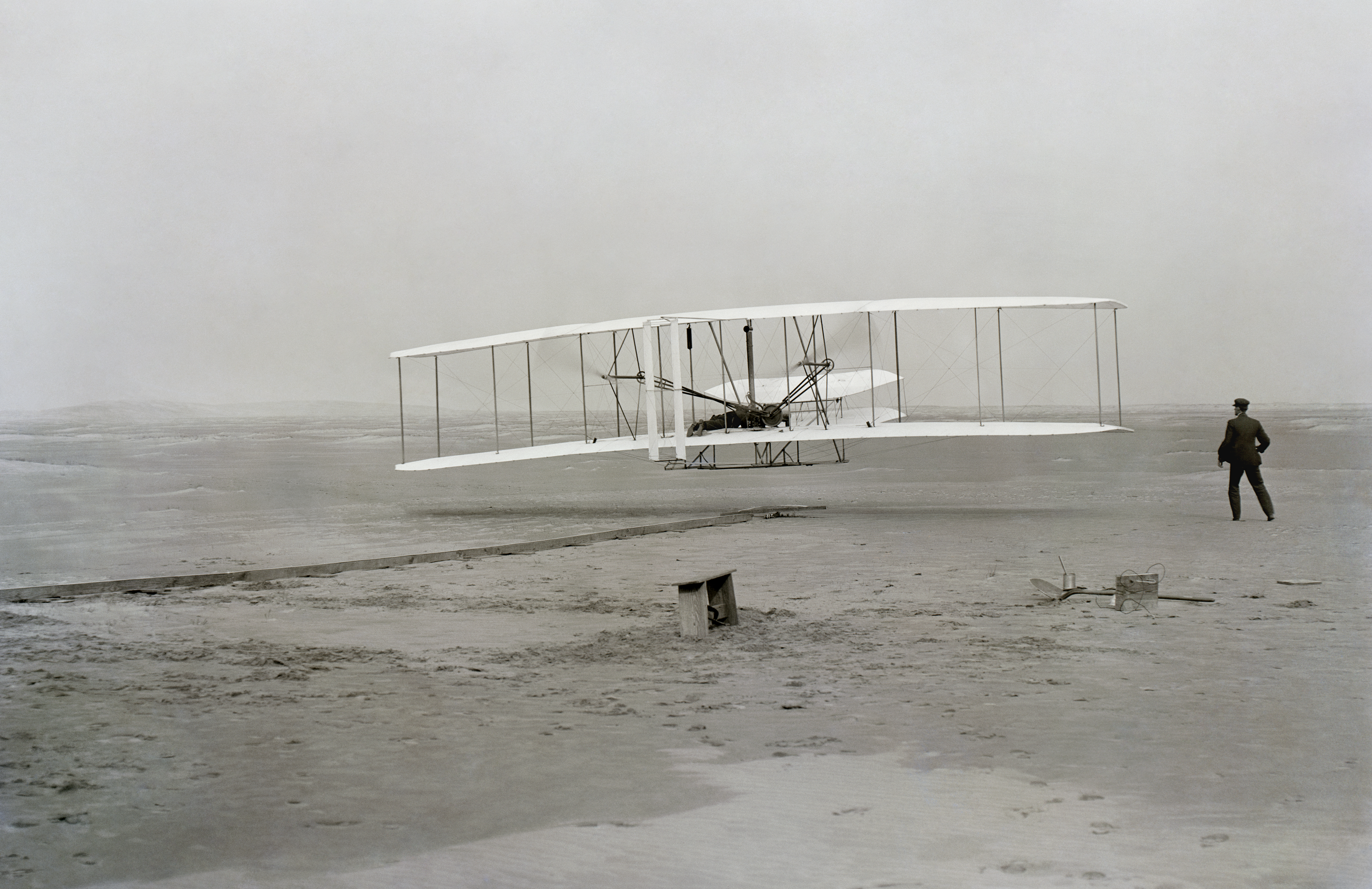
By 1900 telephones were in wide use. Cities were being electrified. Moving pictures were a curiosity. Marconi was conducting experiments that would lead to the radio. Orville and Wilbur were at work on their heavier-than-air Wright flying machine.
In Pittsburgh Andrew Carnegie built the world's largest steel mill in Pittsburgh. A picture of the mill is above the piano in the North Room at Sagamore Hill. By 1900, the U.S. was the largest producer of steel in the world, turning out 10 million tons a year. Andrew Carnegie’s Steel and Elisha Otis’s elevator brake enabled architects to build skyscrapers 20 stories tall.
In 1905 NYC’s 22 story Flatiron building was mistakenly built without lady's restrooms. To fix the problem men's and women’s restrooms were on alternating floors.

Henry Ford built his first gasoline engine car in 1892. The world's first auto race was held in Chicago in 1896. In 1903 the founding of the Ford Motor Company gave birth to the age of the automobile.
In November 1913 Ford began producing Model T's on his new assembly line. When he was able to produce cars at less cost he dropped the price.
What started out at $780 in 1910 dropped to $290 14 years later in 1924. Ford gave his workers Saturday off so they could use his car for fun on the weekends giving America the first 5 day work week.

Butch Cassidy and the Sundance Kid were robbing banks and trains in Colorado and Utah. Buffalo Bill’s Wild West Show was the hottest ticket in town and Annie Oakley became America's most beloved “Deadeye.” While out west New Yorker's were known as “Tin Horns.”
In the summer of 1900 prospectors raced to the Yukon in pursuit of the latest Gold Rush. There was no income tax. $20 could buy you 1,400lbs of potatoes. If you lived west of the Mississippi you’d never seen a street lamp, or indoor plumbing.
The railroads were king. In 1900 the nation had 193,000 miles of track, spanning the continent. America’s commerce moved by rail.
The McCormick reaper had made large-scale farming profitable and in 1900 America was by far the world's largest agricultural producer.
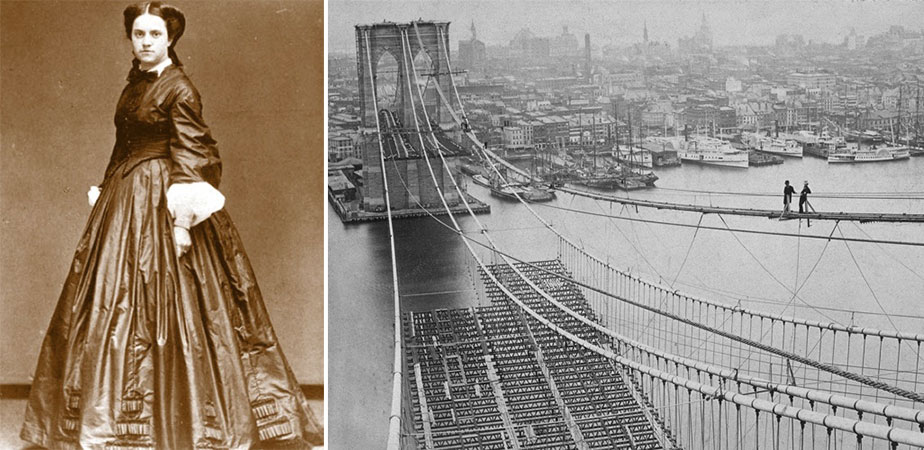
After coming down with the bends Washington Robbling’s wife Emily took over building the Brooklyn Bridge. The bridge was the tallest structure in the city and one of the first things immigrants saw coming into the country. It had a promenade wider than 5th Avenue. It is the only bridge ever built with a promenade
On Roosevelt’s Birthday in 1904 New York City opened its first subway system. A three mile trip above ground could take a half hour only take 10 minutes underground
Thomas Edison is giving America the electric light, the phonograph and the kinescope. The NY Edison Studios were making movies in the Bronx long before there was a Hollywood.
One of the deadliest hurricanes in U.S. history hit Galveston, Texas, on September 8, 1900, killing more than 6,000 people.
Circuses and fairs, vaudeville and sports, kept America entertained in the Gilded Age. The Fourth of July was celebrated with parades, fireworks, band concerts and picnics. In the fall, the county fair gave neighbors a chance to compete for the honor of having the fattest hog, or making the best apple jelly. There were Sunday School picnics and strawberry festivals.

Horse races generated the most excitement followed by amusement parks, penny arcades and dance halls. Movies were becoming popular. Three new movie houses were opening every week and for 5 cents you could order up a Nathan's hotdog at Coney Island.
On Long Island steam engine cars set speed records going over 100 mph in the Vanderbilt Cup races from Kessina to Ronkonkoma.
